Black mold, plainly
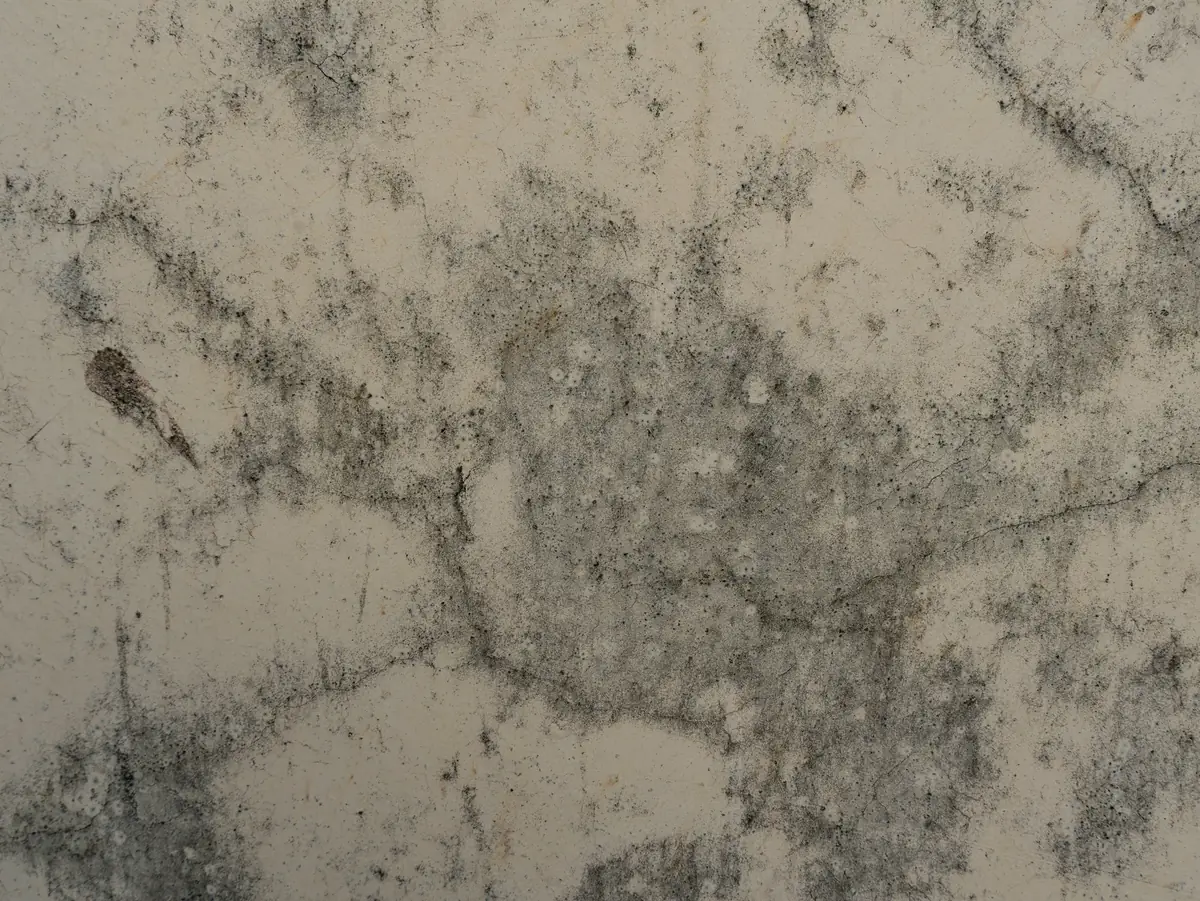
"Black mold" sounds like a diagnosis. It's a color. Many molds are dark, and the CDC and EPA advice is the same whatever the species: clean it up, fix the moisture, and keep people with asthma or weak immune systems away from it meanwhile.
On this page
What the color tells you
Not much. Stachybotrys, the mold people usually mean by "black mold," is one dark species among many, and plenty of harmless-ish ones look the same on a basement wall. You can't identify mold by eye, and the EPA's position is that if you can see or smell mold, you have a problem whatever it's called. Lab tests can name it, but they rarely change what you should do next.
Health, without the scare
The CDC says mold can cause stuffy noses, wheezing, and eye or skin irritation in people who are sensitive to it, and more serious reactions in people with mold allergies, asthma, or weakened immune systems. That's reason enough to deal with it. It isn't a reason to panic, move out, or pay for a whole-house treatment when the growth is on one wall.
Where it shows up in Buffalo houses
- Paneling or drywall over basement block, especially on the side the downspouts empty toward.
- Roof sheathing over a bathroom whose fan vents into the attic.
- Window sills and corners of exterior walls in winter, where warm, damp air meets cold surfaces.
- Behind the washer, under sinks, and around a toilet with a slow leak.
Clean it, or call?
The EPA puts the line at about 10 square feet, roughly a 3 by 3 foot patch. Below that, most people can scrub hard surfaces with detergent and water, dry them, and throw out porous things that stay moldy. New York's license rule starts at the same 10 square feet, and homeowners working on their own houses are exempt at any size. Above that, or if the mold came from sewage, or if it's in the HVAC system, call. Cleaning mold yourself.
Questions Buffalo homeowners ask
Is black mold more dangerous than other mold?
Not in a way that changes what you should do. The CDC and EPA treat indoor mold the same way regardless of color or species: remove it and fix the moisture. People with asthma, allergies or weakened immune systems should be more careful around any mold.
Should I test black mold to find out what it is?
Often not. The EPA says that if you can see or smell mold, you have a problem, and sampling usually isn't needed to decide to fix it. In New York the licensed assessor's job is less about lab numbers and more about writing the plan: what gets removed, how, and what counts as clean.
Can I paint over black mold?
No. Paint traps the growth and moisture behind it, and mold can grow through or under the paint. Clean or remove it, dry the area, fix the water source, then paint.