Buying a house with mold
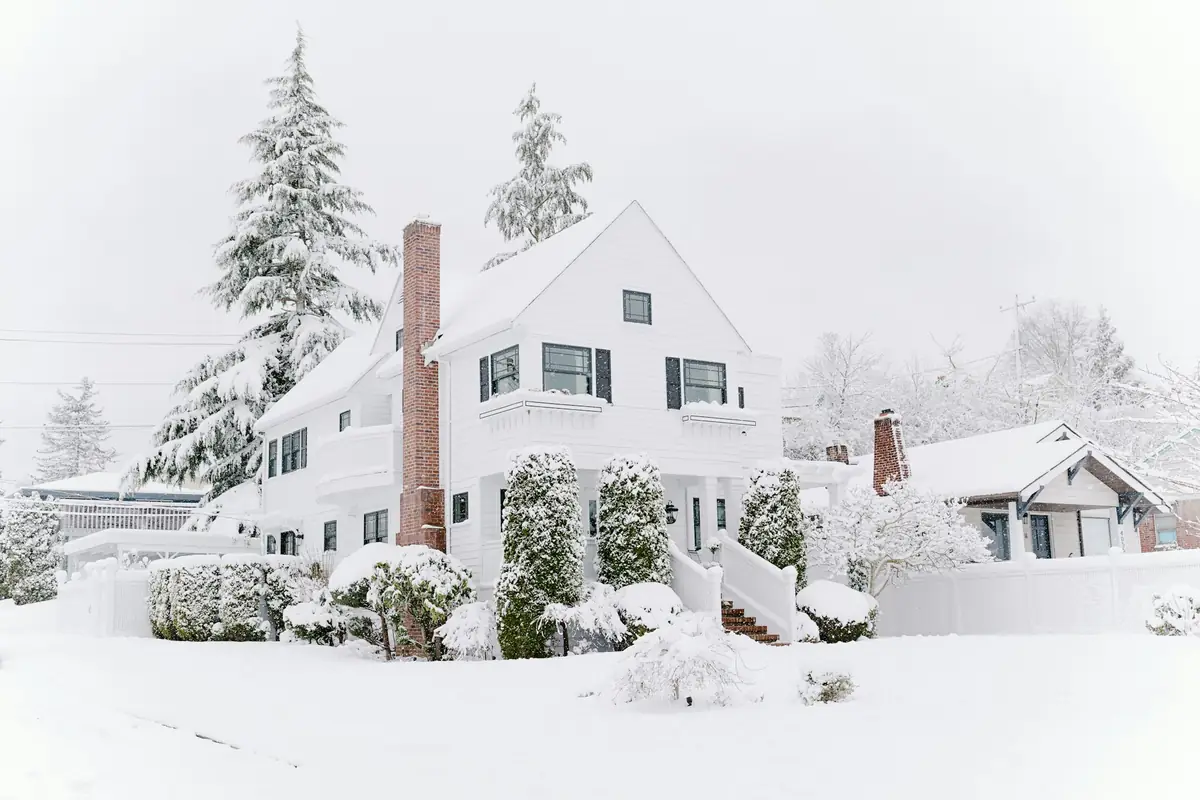
Mold in an inspection report is a pricing question more often than a deal breaker. In a city where 59% of the housing predates 1940, plenty of good houses have a basement that needs work. What matters is the water source, the size of the job and who pays.
On this page
Read the report for the water
A home inspector will note visible growth, staining and moisture readings. What you want to know is why. Efflorescence on basement block points to seepage. Dark sheathing in the attic points to bath fans or air leaks. Stains on ceilings point to roof or plumbing leaks. A fresh coat of paint on one basement wall, in an otherwise unpainted basement, deserves a question.
Ask the seller
- Has the basement ever taken water, and when?
- Any insurance claims for water or mold?
- Any remediation done? If so, by whom, and is there a New York clearance report?
- When was the sump pump replaced, and is there a backup?
- Do the bath fans vent outside?
A clearance report from a past job is worth asking for by name. Under Labor Law section 947, a licensed assessor issues one after checking the work, and it's the closest thing to proof that the job was finished.
Get it priced before you close
If there's more than about 10 square feet of growth, a licensed mold assessor can write a remediation plan with a cost estimate during your inspection window. That plan gives you something concrete to negotiate with, whether it's a price cut, a credit, or the seller doing the work under the plan before closing. Fixr's national figure for basement mold removal is $1,500 to $4,000; your plan will be more specific.
Old Buffalo houses
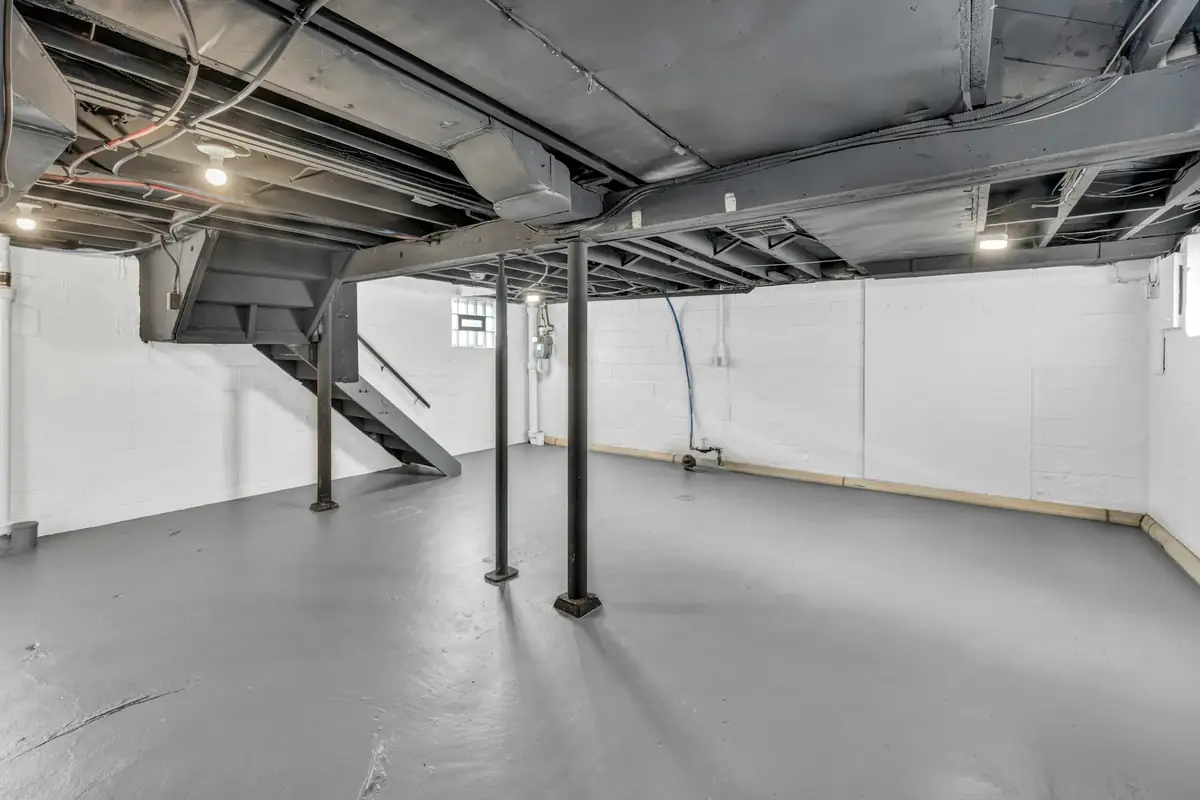
Stone and early block foundations are normal in the city's older neighborhoods; the oldest ZIPs in our table are Elmwood Village, Upper West Side (Grant-Ferry), Allentown and Lower West Side, Downtown (south) and the First Ward, Hamlin Park and Masten. A dry stone basement is fine. A wet one can usually be managed with gutters, grading, a sump and a dehumidifier. Look at how the downspouts drain, whether the soil slopes toward the house, and whether stored things against the walls have water lines on them.
Questions Buffalo homeowners ask
Should I walk away from a house with mold?
Not usually for mold alone. Walk away when the water source can't be found or fixed at a reasonable price, or when the seller won't let you inspect. Most mold is a moisture problem with a cleanup cost attached.
Does a seller in New York have to disclose mold?
Disclosure rules apply to most New York home sales and have changed in recent years. Ask directly, in writing, and rely on your own inspection rather than the seller's form. A real estate lawyer can tell you what applies to your sale.
Who pays for mold remediation when buying a house?
Whoever the contract says. Buyers commonly negotiate a price reduction or credit based on an assessor's plan and quotes, or ask the seller to complete the work under the plan with a passed clearance before closing.
Sources
- NY Labor Law section 945, Minimum work standards for mold assessments
- NY Labor Law section 947: post-remediation assessment
- Fixr: Mold Remediation Cost (updated August 29, 2025)
- US EPA: A brief guide to mold and moisture in the home
- US Census Bureau: American Community Survey 2020-2024 5-year estimates (B25001, B25003, B25024, B25034, B25035)