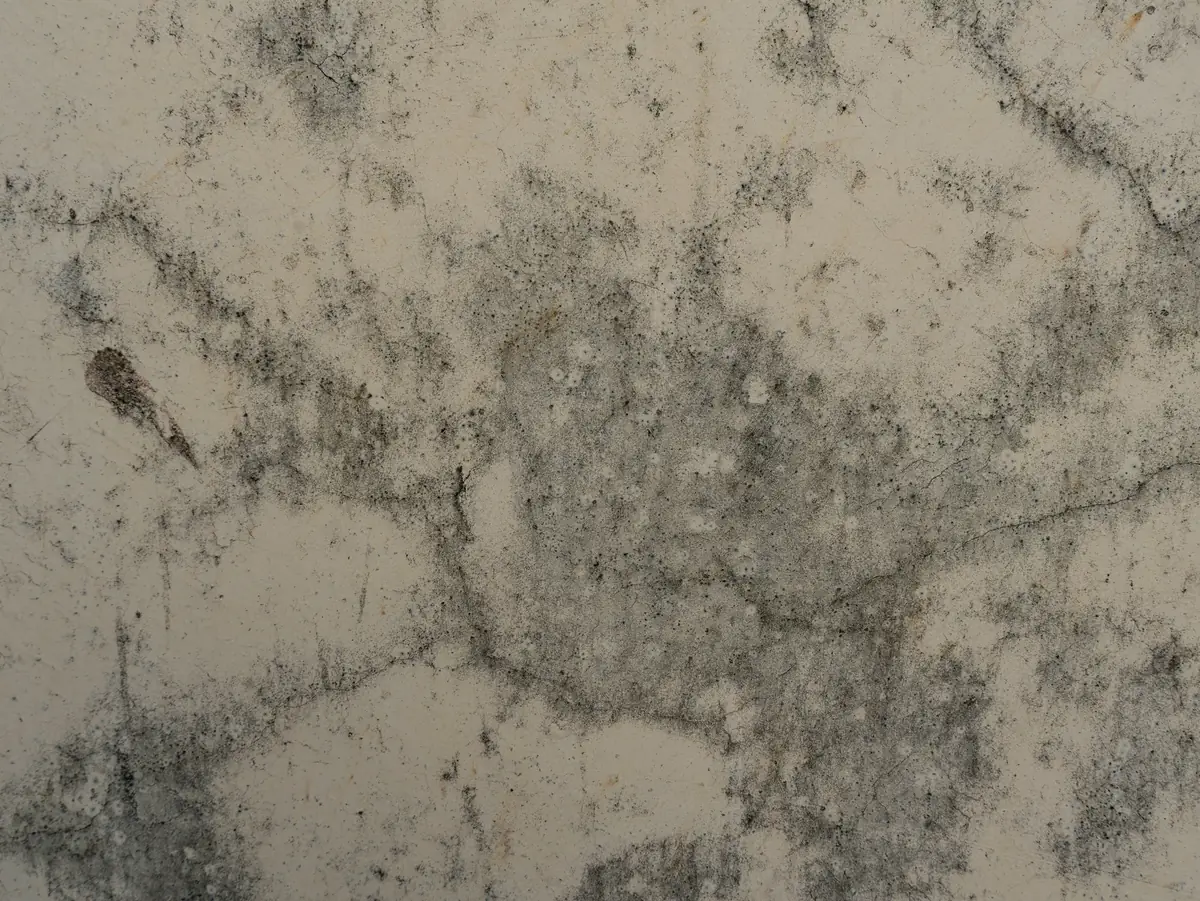
Mold removal and remediation in Buffalo
Mold removal in Buffalo is two jobs: getting the growth out without spreading it, and stopping the water that fed it. Fixr puts a typical remediation at $1,500 to $9,000. In New York, anything over 10 square feet also takes a licensed assessor's plan and a licensed remediation contractor.
On this page
What a real remediation job looks like
A proper job has a fairly boring shape, and boring is good. The work area gets sealed off with plastic so spores don't drift into the rest of the house, usually with an air scrubber keeping it under negative pressure. Material that can't be cleaned (wet drywall, ceiling tile, carpet pad, insulation) gets bagged and taken out. Hard surfaces like framing and block get cleaned, the space gets dried, and somebody checks that it worked.
What a proper job doesn't look like: a crew that sprays something on the wall, paints over it and leaves. Mold that is painted over is still there, and it is now harder to see.
New York splits the job in two
For any mold area larger than 10 square feet, Article 32 of the state Labor Law requires a licensed mold assessor to inspect and write a remediation plan first. A separately licensed remediation contractor does the work under that plan, and the assessor comes back for a clearance check. The assessor and the remover can't be the same company on the same property.
New York Labor Law, Article 32
One job, two licenses, three steps
- Assess. A licensed mold assessor inspects and writes the remediation plan: which areas, how much material, what methods, what counts as clean, and an estimate. (Section 945.)
- Remediate. A licensed remediation contractor does the work under that plan. On the same property the assessor and the remediator can't be the same company, and nobody can own a piece of both. (Section 936.)
- Clear. The assessor returns for a post-remediation assessment and writes a passed clearance report, or a status report listing what's left. (Section 947.)
Covers projects over 10 square feet (section 930). Homeowners working on their own home are exempt (section 933). In force since 2016. Not legal advice. The longer version.
In practice that means two bills and a little more scheduling. It also means somebody with no stake in the removal decides how big the job is. As of October 29, 2026, 24 active remediation and 21 active assessment contractor licenses list an Erie County address, and any of them can be looked up on data.ny.gov.
Why Buffalo houses grow it
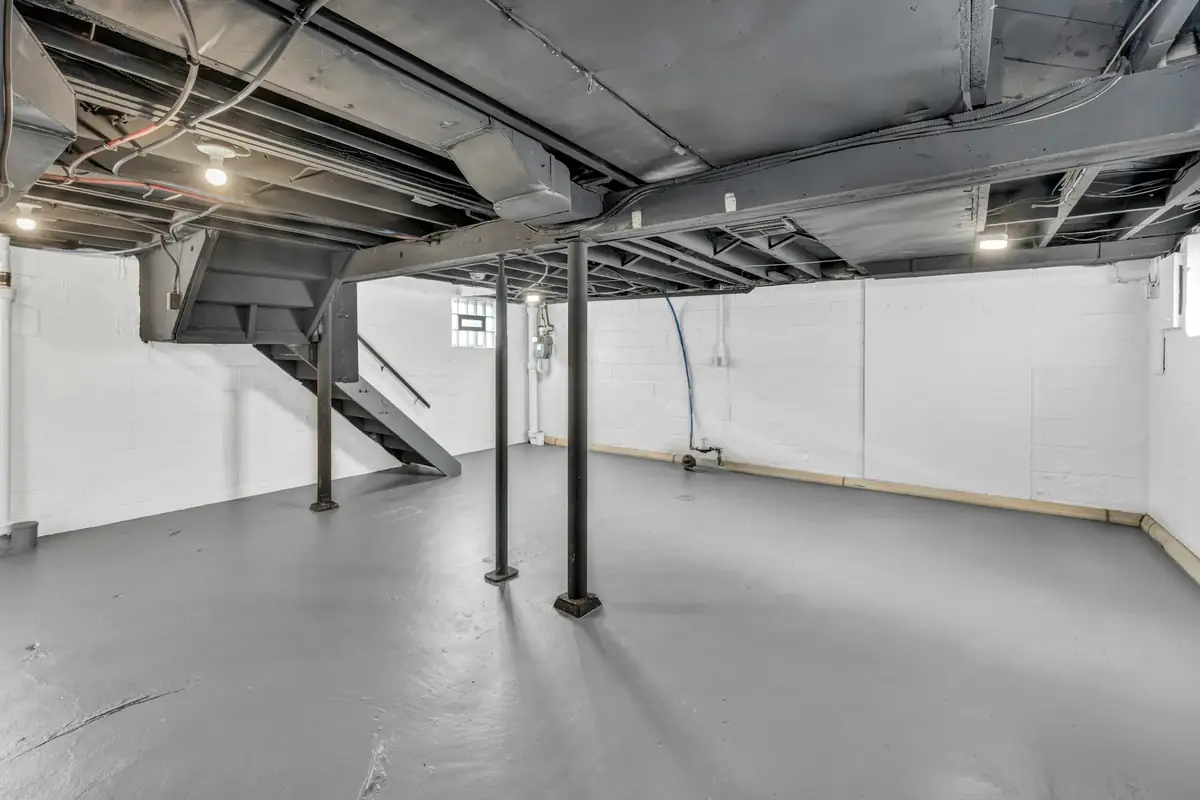
59% of homes in the city's ZIP codes were built before 1940 (Census ACS 2020-2024). Those basements were built to hold a coal bin and a furnace, not a finished rec room, and the walls pass water from the soil. Add about 11.9 thaw days a year at the airport and 44 summer days with a dew point at or above 60°F, and you get basements that are wet in winter and clammy in July. The same old houses have thin attic insulation, which sets up ice dams and attic frost after a big snow.
What it costs
Fixr's national figures: $1,500 to $9,000 for a typical job, about $3,500 on average, or $10 to $30 per square foot. Basements run $1,500 to $4,000, attics $1,500 to $9,000, a bathroom $500 to $1,500. Bob Vila's range is lower, $1,125 to $3,439. On a New York job over 10 square feet, add the assessor's fee for the plan and the clearance visit. The full cost guide.
Keeping it from coming back
Remediation without a moisture fix is a subscription. Before anyone rebuilds, know where the water came from: a plumbing leak, a roof or ice dam, seepage through the foundation, or condensation from humid air. Section 945 asks the assessor's plan to name the source where possible. The fix might be a plumber, a roofer, downspout extensions, or a dehumidifier that runs from June to September.
- The state license number, before anyone signs. Remediation over 10 square feet takes a New York Mold Remediation Contractor License. Ask for the number and look it up on data.ny.gov; it takes a minute.
- Someone else's plan on bigger jobs. The company that removes the mold works from a licensed assessor's written plan and doesn't assess its own job.
- The scope and price on paper. What comes out, what gets cleaned, how long it runs, and the three business days New York gives you to cancel a home improvement contract.
- The water dealt with, then a clearance. Mold comes back when the leak or seepage stays. The assessor's clearance report is how you know it's finished.
Questions Buffalo homeowners ask
How long does mold removal take?
Drying after a leak usually takes about three days, according to Fixr and Bob Vila. Mold jobs add the assessor's plan before work and the clearance visit after, so plan on a week or more from first call to a passed clearance report, longer if lab results or insurance are involved.
Do I have to leave the house during mold remediation?
Usually not for a contained job in a basement or attic. The work area is sealed off. If someone in the house has asthma or a weakened immune system, ask the assessor whether they should stay elsewhere while the work runs.
Can I just use bleach?
The EPA's guidance is detergent and water on hard surfaces, then drying them. Bleach doesn't fix the moisture, and on porous material like drywall or ceiling tile the mold can stay in the material. The EPA warns never to mix bleach with cleaners that contain ammonia.
Sources
- NY Labor Law section 930, Definitions (Article 32, mold licensing)
- NY Labor Law section 936, Licensee duties; prohibited activities
- NY Labor Law section 945, Minimum work standards for mold assessments
- NY Labor Law section 947: post-remediation assessment
- data.ny.gov: Mold Contractor Licenses, Four Year Window (NY Department of Labor, updated daily)
- US EPA: A brief guide to mold and moisture in the home
- US EPA: Mold Cleanup in Your Home
- Fixr: Mold Remediation Cost (updated August 29, 2025)
- Bob Vila: Mold Remediation and Removal: What to Know and How Much You'll Pay (updated April 17, 2024)
- US Census Bureau: American Community Survey 2020-2024 5-year estimates (B25001, B25003, B25024, B25034, B25035)
- NOAA Applied Climate Information System: daily data, Buffalo Niagara International Airport (USW00014733)
- NOAA NCEI: Global Summary of the Day, Buffalo Niagara International Airport (72528014733)