Water damage restoration in Buffalo
Water damage gets expensive in two stages: the water, then the mold that follows if the house doesn't dry. The EPA's window is 24 to 48 hours. Fixr lists water damage restoration at $1,200 to $5,000, about $3,000 on average.
The first hour
- Stop the water. The main shutoff in most Buffalo houses is in the basement where the service line comes through the front wall, near the meter. For a single fixture, close the valve under it.
- Kill power to wet areas if you can reach the panel from a dry spot. If you can't, don't wade in.
- Photograph everything before you move it: wide shots, the water line on walls, the source.
- Move what you can off wet floors and pull back area rugs.
- Call your insurer the same day, and write down the claim number.
What drying actually is
A restoration crew pulls standing water, then sets fans and dehumidifiers and checks moisture readings every day until the materials reach normal levels. Drywall that has wicked water up from the floor usually gets cut a foot or two above the wet line so the cavity can dry. Carpet pad usually goes; carpet sometimes survives clean water. Fixr and Bob Vila both put typical drying at about three days.
The type of water matters. Clean water from a supply line is the cheapest to deal with, at about $3.75 to $4.25 per square foot by Fixr's figures. Gray water from a washer or dishwasher runs $4.10 to $6.50, and sewage $7 to $7.50, because more has to be thrown out.
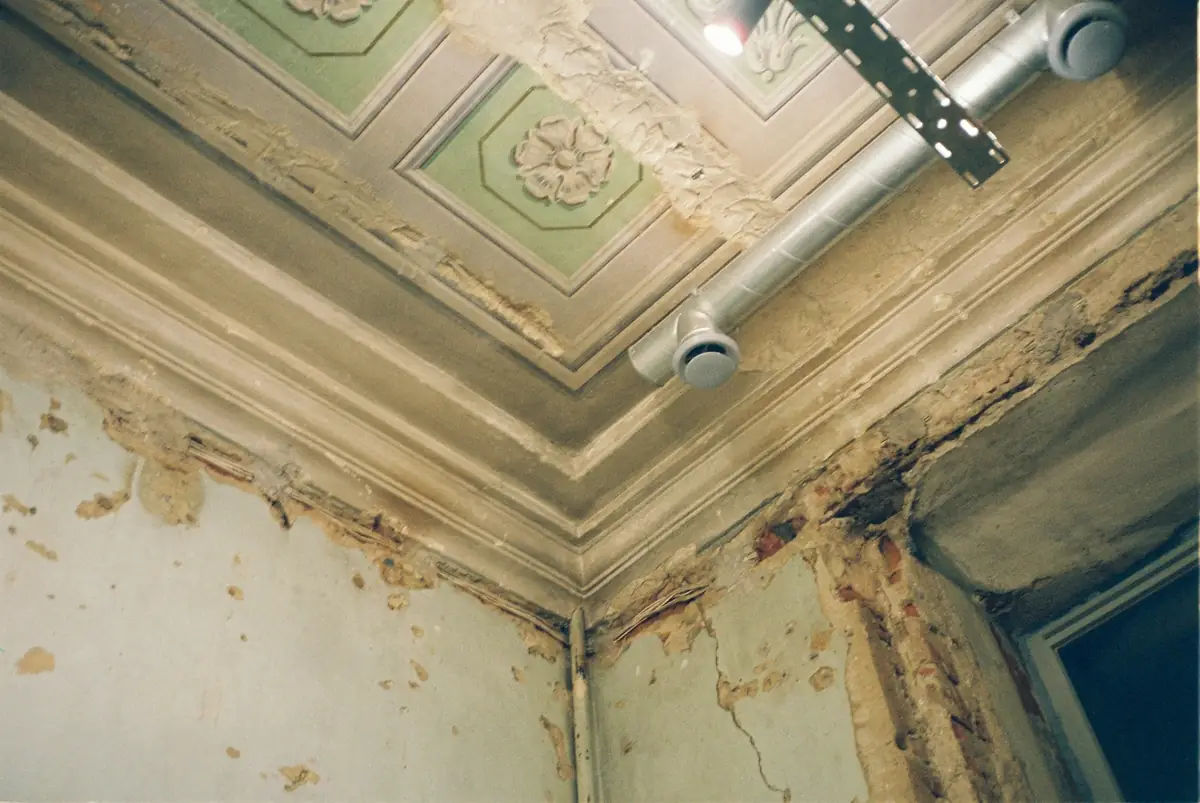
The Buffalo versions
- Frozen pipes. Pipes on outside walls, in crawlspaces and in unheated porches split in a cold snap and leak when they thaw.
- Ice dams. Meltwater backs up under shingles at the eaves and comes through ceilings and window heads. After a big snow.
- Floor drain backups. Heavy rain on frozen or saturated ground overloads drains. Most homeowners policies exclude backup unless you added a water backup endorsement.
- Fast thaws. Meltwater through basement walls. Groundwater seepage is usually excluded from coverage too.
Water damage and licensing
New York doesn't license water damage drying, but mold over 10 square feet is a different story. If mold is already growing by the time anyone arrives, that part of the job falls under the state's assessor and remediator license rules. Ask any company you call which work it does and whether it holds a mold remediation license.
Questions Buffalo homeowners ask
What is the average cost of water damage repair?
Fixr lists water damage restoration at $1,200 to $5,000 with a $3,000 national average, and Bob Vila at $1,305 to $5,707. Clean water from a supply line costs less per square foot ($3.75 to $4.25) than sewage ($7 to $7.50). Rebuilding is extra.
How fast does mold grow after water damage?
The EPA says to dry water-damaged materials within 24 to 48 hours to prevent mold growth. In a Buffalo basement in July, when the outdoor dew point averages about 61°F and the foundation walls sit cooler than that, wet material does not dry on its own.
Does homeowners insurance cover a burst pipe?
Usually, when the break is sudden. New York's Department of Financial Services notes that damage from gradual leaks, flooding and sewer backup are treated differently. Report it the same day and keep the plumber's note on the cause.
Sources
- US EPA: A brief guide to mold and moisture in the home
- Fixr: Water Damage Restoration Cost (updated January 31, 2025)
- Bob Vila: How Much Does Water Damage Restoration Cost? (updated May 30, 2023)
- NY Department of Financial Services: Homeowners and property insurance FAQ
- NY Department of Financial Services: Homeowners and Tenants Insurance Guide
- NY Labor Law section 930, Definitions (Article 32, mold licensing)