Mold inspection and testing in Buffalo
A mold inspection in New York is mostly about one document: the licensed assessor's remediation plan. Fixr lists an inspection at $450 to $800. Lab tests are sometimes useful and often aren't; if you can see it or smell it, you already know the answer to the expensive question.
On this page
What the assessor does
A licensed mold assessor looks for growth and for the water behind it. Expect a moisture meter on walls and floors, maybe a thermal camera, a look behind access panels, in the attic and around the foundation. On a job over 10 square feet, New York's Labor Law section 945 then requires a written, project-specific remediation plan that lists:
- the work areas and roughly how much material is involved,
- the methods to be used, and what gets removed versus cleaned,
- the clearance criteria, meaning what "done" looks like,
- a cost estimate and a timeframe,
- where possible, the moisture source and who should fix it.
That plan is what remediation companies bid against. It is also what makes comparing two quotes possible, since both are pricing the same scope.
Why the inspector can't sell you the removal
Section 936 bars the same licensee from doing both the assessment and the remediation on one property, and bars anyone from owning a piece of both companies on that job. That's deliberate. The person deciding how much has to come out shouldn't be the person paid by the square foot to take it out. Statewide, 212 businesses hold both kinds of license, which is legal; they just pick one role per property.
New York Labor Law, Article 32
One job, two licenses, three steps
- Assess. A licensed mold assessor inspects and writes the remediation plan: which areas, how much material, what methods, what counts as clean, and an estimate. (Section 945.)
- Remediate. A licensed remediation contractor does the work under that plan. On the same property the assessor and the remediator can't be the same company, and nobody can own a piece of both. (Section 936.)
- Clear. The assessor returns for a post-remediation assessment and writes a passed clearance report, or a status report listing what's left. (Section 947.)
Covers projects over 10 square feet (section 930). Homeowners working on their own home are exempt (section 933). In force since 2016. Not legal advice. The longer version.
Is lab testing worth it?
Sometimes. The EPA's view is that if you can see or smell mold, sampling usually isn't needed to decide to fix it, and there are no federal limits to compare a result against. Testing earns its fee when you smell mold and can't find it, when you need a baseline before buying a house, when a landlord dispute needs documentation, or as part of the clearance after work. Fixr prices basic tests at $50 to $700, with additional samples at $60 to $80 per sample; Bob Vila puts air testing at $250 to $350.
What it costs
Fixr: $450 to $800 for an inspection, about $500 on average. Bob Vila: $299 to $1,014, about $656. The clearance visit after the work is a separate trip, so ask whether the quote includes it.
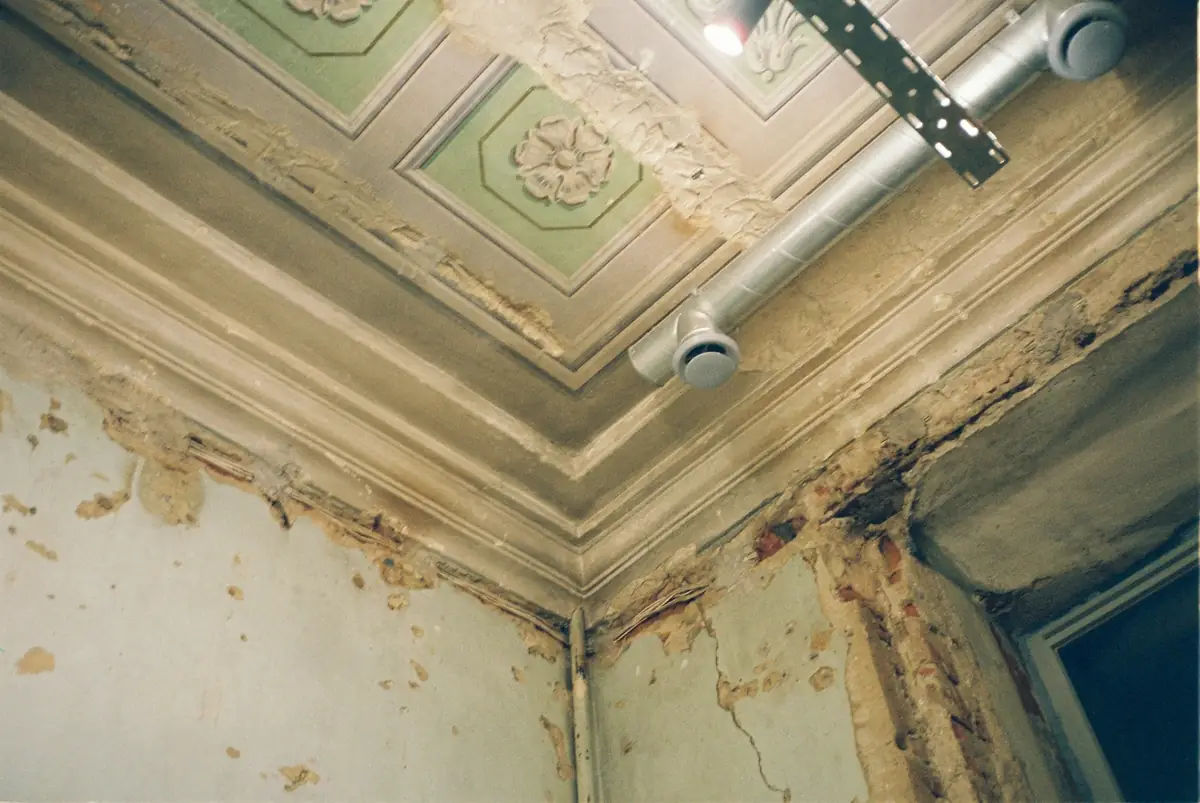
Where to look first in a Buffalo house
- Basement walls behind paneling or drywall, especially on the side the downspouts drain toward.
- The attic over the bathroom, where a fan may be dumping warm air onto the roof deck.
- Ceilings under the eaves after an ice dam winter.
- Under sinks and behind the washer, where small leaks run for months.
Questions Buffalo homeowners ask
How much is it to get someone to check for mold?
Fixr lists a mold inspection at $450 to $800, about $500 on average, with lab samples at $60 to $80 per sample beyond the first few. Bob Vila puts basic air testing at $250 to $350. In New York the assessment that writes the remediation plan has to come from a licensed mold assessor who will not do the removal.
Do I need a mold test before removal?
Often not. The EPA says that if you can see or smell mold, you have a problem, and sampling usually isn't needed to decide to fix it. In New York the licensed assessor's job is less about lab numbers and more about writing the plan: what gets removed, how, and what counts as clean.
Can a home inspector do my mold assessment?
Only if they hold a New York mold assessment license. A general home inspector can point out signs of moisture or growth, but the remediation plan for a job over 10 square feet has to come from a licensed mold assessor.
Sources
- NY Labor Law section 930, Definitions (Article 32, mold licensing)
- NY Labor Law section 936, Licensee duties; prohibited activities
- NY Labor Law section 945, Minimum work standards for mold assessments
- NY Labor Law section 947: post-remediation assessment
- data.ny.gov: Mold Contractor Licenses, Four Year Window (NY Department of Labor, updated daily)
- US EPA: A brief guide to mold and moisture in the home
- Fixr: Mold Inspection Cost, Mold Testing Cost (updated January 31, 2025)
- Bob Vila: mold inspection cost guide (updated June 7, 2024)