Cleaning mold yourself
A small patch on a hard surface is usually a weekend job, not a contractor's. The EPA's line is about 10 square feet. New York's license rule starts there too, and homeowners working on their own homes are exempt at any size.
Is it small enough?
Roughly 10 square feet, a 3 by 3 foot patch, is the EPA's dividing line for what most people can handle. Also call for help, whatever the size, if:
- the water came from sewage or a flooded drain,
- the mold is inside the heating or cooling system,
- someone in the house has asthma, a mold allergy or a weakened immune system,
- you can smell it but can't find it, which usually means it's inside a wall.
What to wear
The EPA suggests an N-95 respirator, gloves that reach the middle of the forearm, and goggles without vent holes. Keep the room's door shut and a window fan blowing out, if there's a window.
What to use
Detergent and water on hard surfaces, scrubbed, then dried completely. That's the EPA's advice. Bleach isn't required, it doesn't fix the moisture, and on porous material like drywall or ceiling tile the mold can stay in the material. Never mix bleach with ammonia or any cleaner that contains it; the fumes are toxic.
Throw out porous things that stay moldy after cleaning: ceiling tile, carpet and pad, cardboard boxes, upholstered furniture that got soaked. Mold in the pores of those can't be fully removed.
The part that matters more
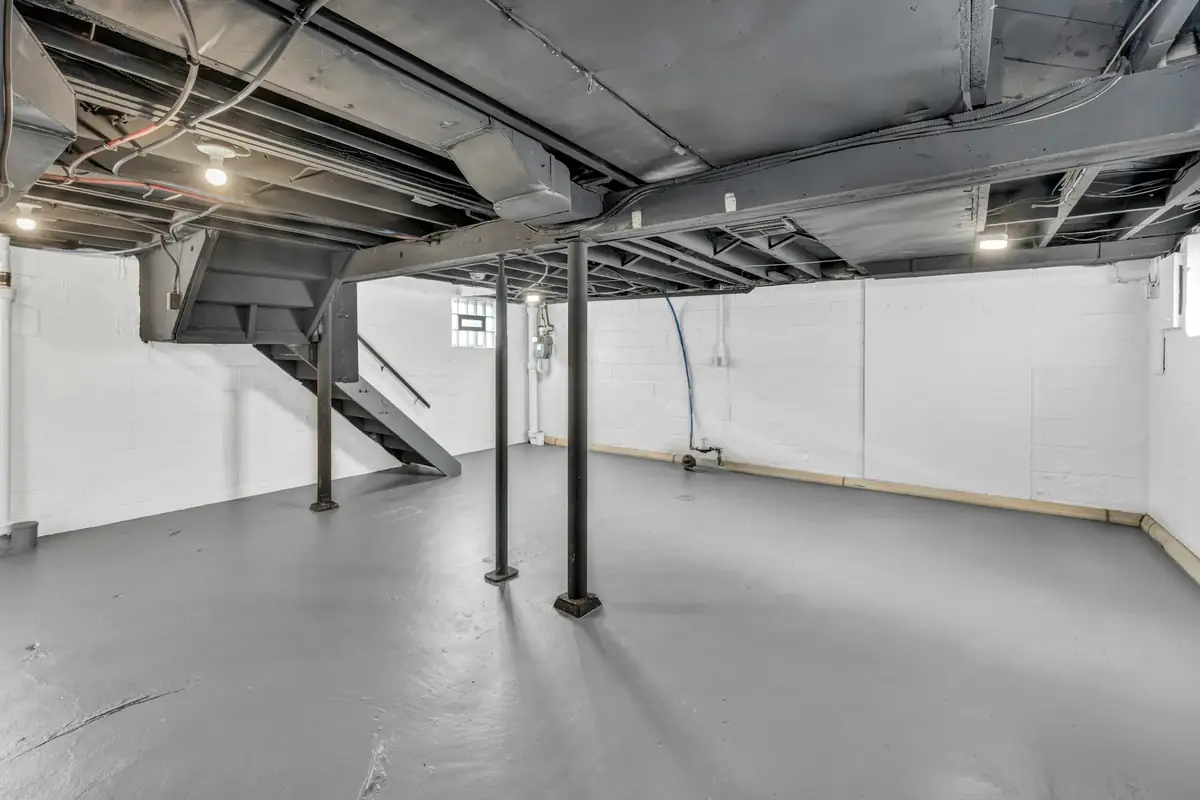
Cleaning without fixing the moisture just schedules the next cleaning. In a Buffalo basement that usually means downspout extensions, soil sloped away from the wall, clear window wells before winter, and a dehumidifier from June to September. Over 2016-2024, the airport averaged 44 days from June through August with a dew point above 60°F, humid enough to condense on a cool basement wall.
When to stop
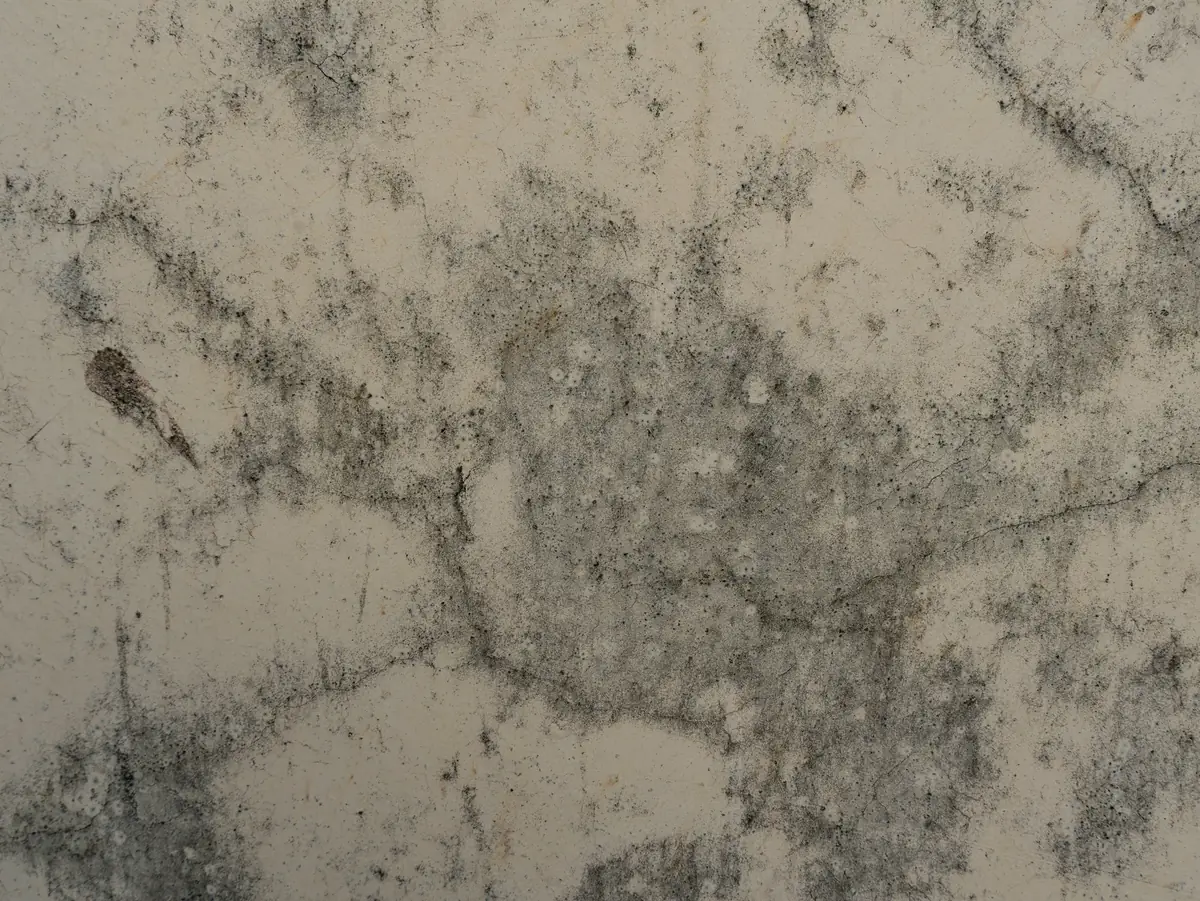
If you pull off paneling and find the back is black across the whole wall, stop, close up the area and get a licensed assessor. That's no longer a small patch, and tearing it out without containment spreads spores through the house.
Questions Buffalo homeowners ask
Can I clean mold myself?
For a small patch, usually yes. The EPA says an area under about 10 square feet is something most people can clean themselves: scrub hard surfaces with detergent and water and dry them. Throw out porous things that stay moldy. New York's license rule also starts at 10 square feet, and homeowners working on their own home are exempt.
What should I not spray on mold?
The EPA's guidance is detergent and water on hard surfaces, then drying them. Bleach doesn't fix the moisture, and on porous material like drywall or ceiling tile the mold can stay in the material. The EPA warns never to mix bleach with cleaners that contain ammonia.
Does vinegar kill mold?
The EPA's guidance is detergent and water on hard surfaces, followed by thorough drying. Whatever you use, the mold returns if the surface gets wet again, so the moisture fix matters more than the cleaner.